Restorative Approach

What Is Restorative Approach?

Restorative Approach repairs harm and rebuilds relationships through understanding, accountability, and collaborative problem-solving.
Rather than asking "Who broke the rule and what punishment do they deserve?", restorative approaches ask: "Who was harmed? What do they need? And how can we make things right?"
This shift transforms conflict from something that divides us into an opportunity for growth, connection, and lasting change.
restaurative practice - the feelings teacher

Why punishment doesn't work

Our society relies heavily on retributive systems—rules, consequences, and punishments. In the retributive system, people who break rules deserve to be punished, and those who work hard deserve rewards (Rachel, 1997).

But ask yourself: does punishment actually change behaviour long-term?

Research shows it doesn't. We see more people re-offending after prison, and more children receiving consequences without changing their behaviour.

The problem with retributive approaches:
The power of restorative approaches:

How Restorative Practice works

CORE PRINCIPLES

Relationships Are Central | Acknowledges that relationships are central to building community and addresses harm in ways that strengthen them.

Focus on Harm, Not Just Rules | Focuses on the harm done rather than only on rule-breaking.

Give Voice to Those Harmed | The person who experienced harm gets to express how it affected them.

Collaborative Problem-Solving | Engages in collaborative solutions that repair harm and prevent future incidents.

Empowerment and Responsibility | Enhances responsibility and empowers change and growth.

The Restorative Questions

At the heart of restorative practice are five powerful questions:

1. What happened? (Where, who was present, what was said or done)


2. How were you feeling when it happened?


3. Who was hurt? (Explore all affected people—parents, peers, teachers)


4. How are you feeling about it now?


5. How can we make things better?

Understanding Shame and Emotion

"So often when we think about education and the education process we take the position that education is about the way a child receives information and processes it. That's entirely cognitive. But it turns out that to the surprise of most people, education is also about emotion." — Dr Donald Nathanson, September 2003

Shame isn't just a negative emotion—it's the interruption of all positive effects. It's a painful social emotion that causes reactions like giggling, classroom distractions, or answering back.

Restorative Approach provides a safe space to express shame, reducing its intensity and power.

Early intervention is vital. When whole school staff become restorative practitioners, they can recognise these expressions of shame and respond constructively. It's imperative to separate the 'Self' from the 'Behaviour' in Restorative Practice.

The Feelings Teacher Restorative Approach

Recognise and Empathise

Acknowledge the child's feelings. "I can see you're really upset right now."

Validate
and Label

Name the emotion without judgment. "It sounds like you were feeling frustrated."

Set Limits (When Necessary)

Make boundaries clear. "I understand you were angry, but hitting isn't okay."

Problem-Solve Restoratively

Use the five restorative questions to explore harm, accountability, and repair.

"There are no wrong feelings. How we react to the feeling may or may not be wrong."

Inês Gomes
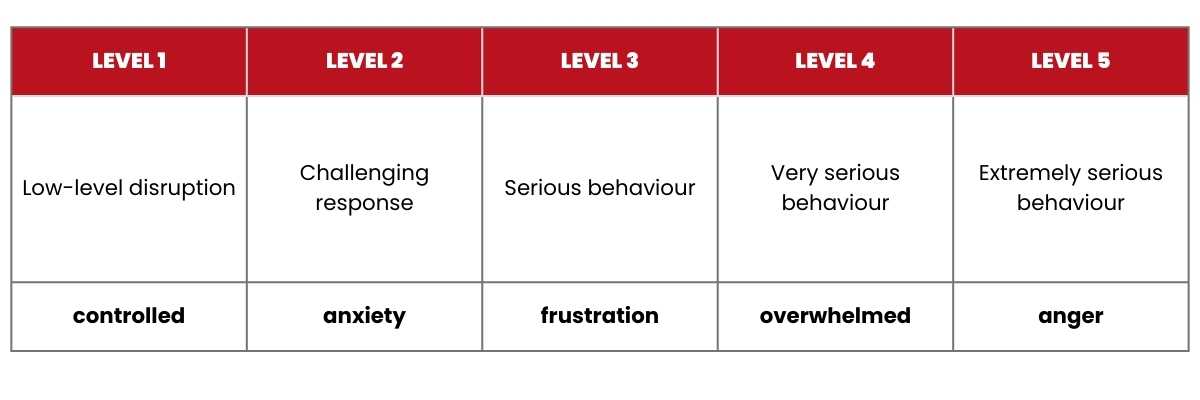
Levels of Behaviour & Emotional Wellbeing

Different behaviours reflect different emotional states:

Each level corresponds to an emotion and an unmet need. It's important to connect with the child, making them feel safe and secure before they'll respect and follow the adult supporting them.

professional training Schools and Professionals

Restorative Approach in Schools

Schools are ideal settings to become a restorative practice. When implemented consistently, research (Barnet Youth Offending Service, 2004) shows that we tend to see:

Schools serve as community links for restorative meetings, resulting in better emotional wellbeing, emotional literacy, and ultimately a restored and happy community.

Training is Paramount

Many schools call themselves "restorative schools," but when conflict arises, the response is often the opposite. The best way to become a truly restorative practice is to empower every member of the school community through training and implementing the approach in Behaviour for Learning and Anti-Bullying policies.

Comprehensive
implementation includes:

When the whole school community—including parents and carers—speaks the same language, restoring relationships and moving forward after conflicts becomes far easier and effective.

Restorative Conferences

For serious harm, formal restorative conferences facilitate mediation:

All stages need careful planning and execution. Sometimes a conference may only come after completing custodial sentence or community service.

Restorative Practice for Families

Restorative approaches work powerfully at home too, helping with:

When families use restorative questions consistently, children learn that mistakes are opportunities for learning, not reasons for shame.

Ready to transform conflict into connection?

Whether you're a school seeking to reduce exclusions and improve culture, or a family wanting to repair relationships, we're here to help.

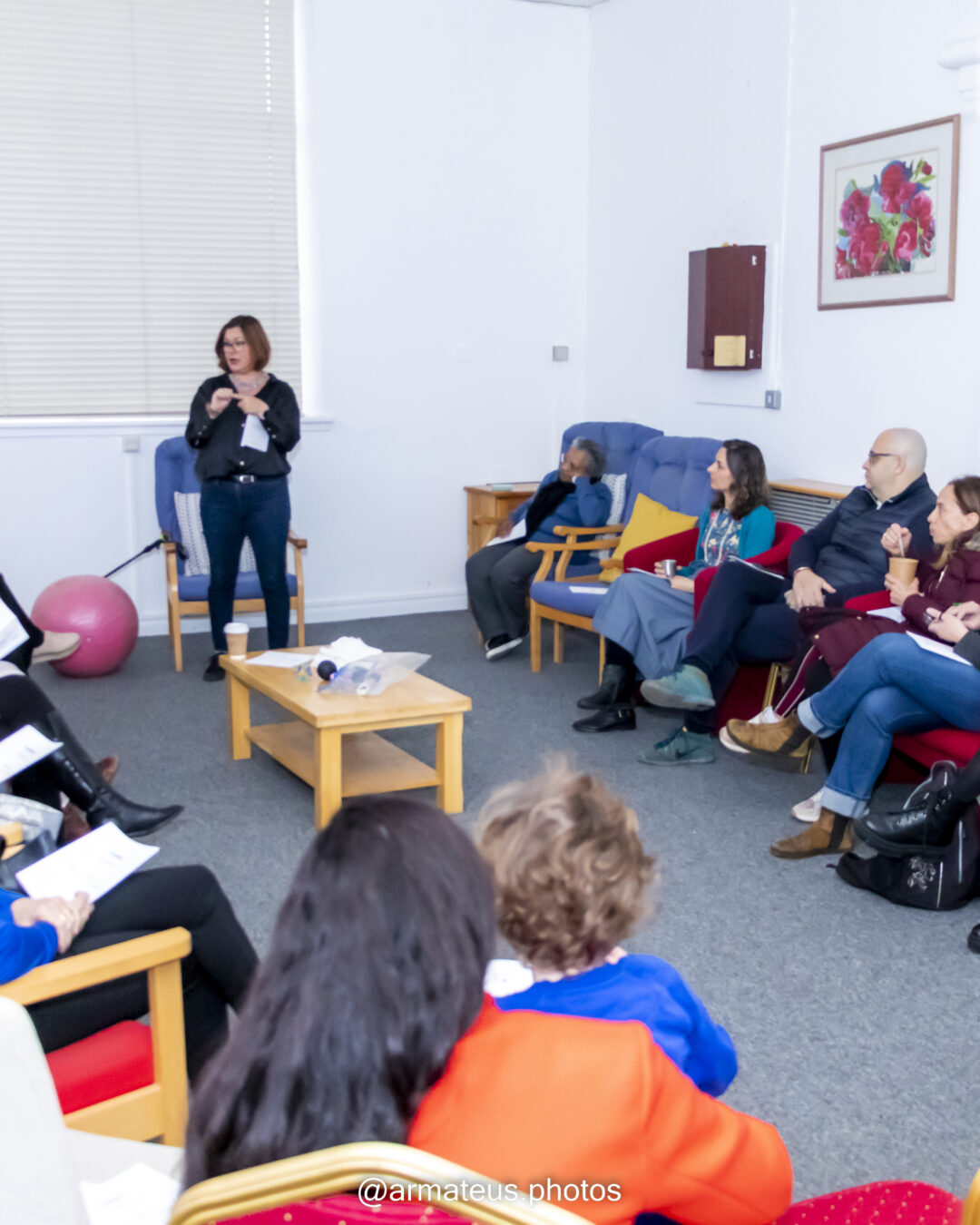
The Feelings Teacher provides Restorative Practice training and support for schools and families across South East London. Inês Gomes is a certified Restorative Approach Practitioner through the University of Greenwich and active member of the Greenwich Restorative Practice Network.

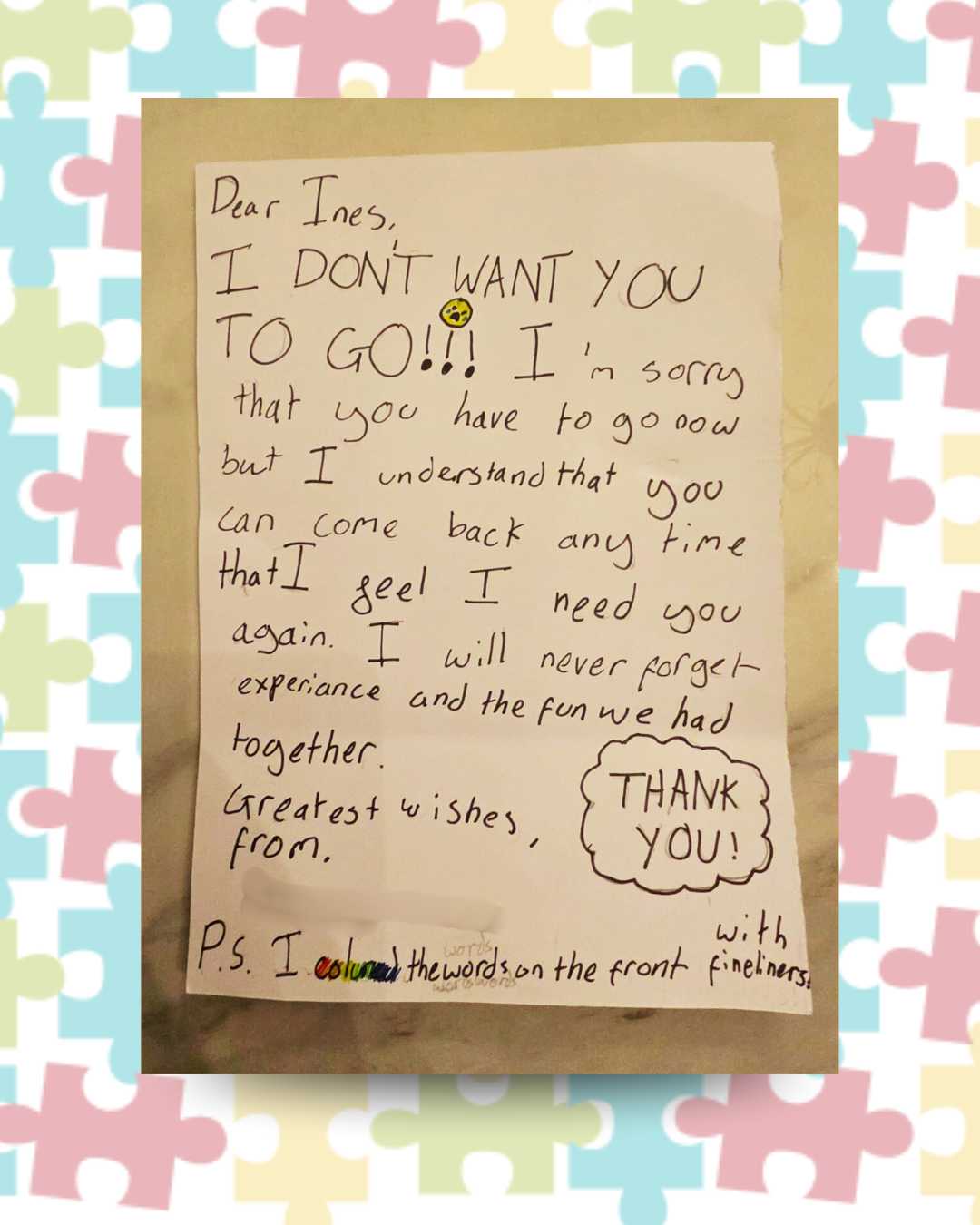
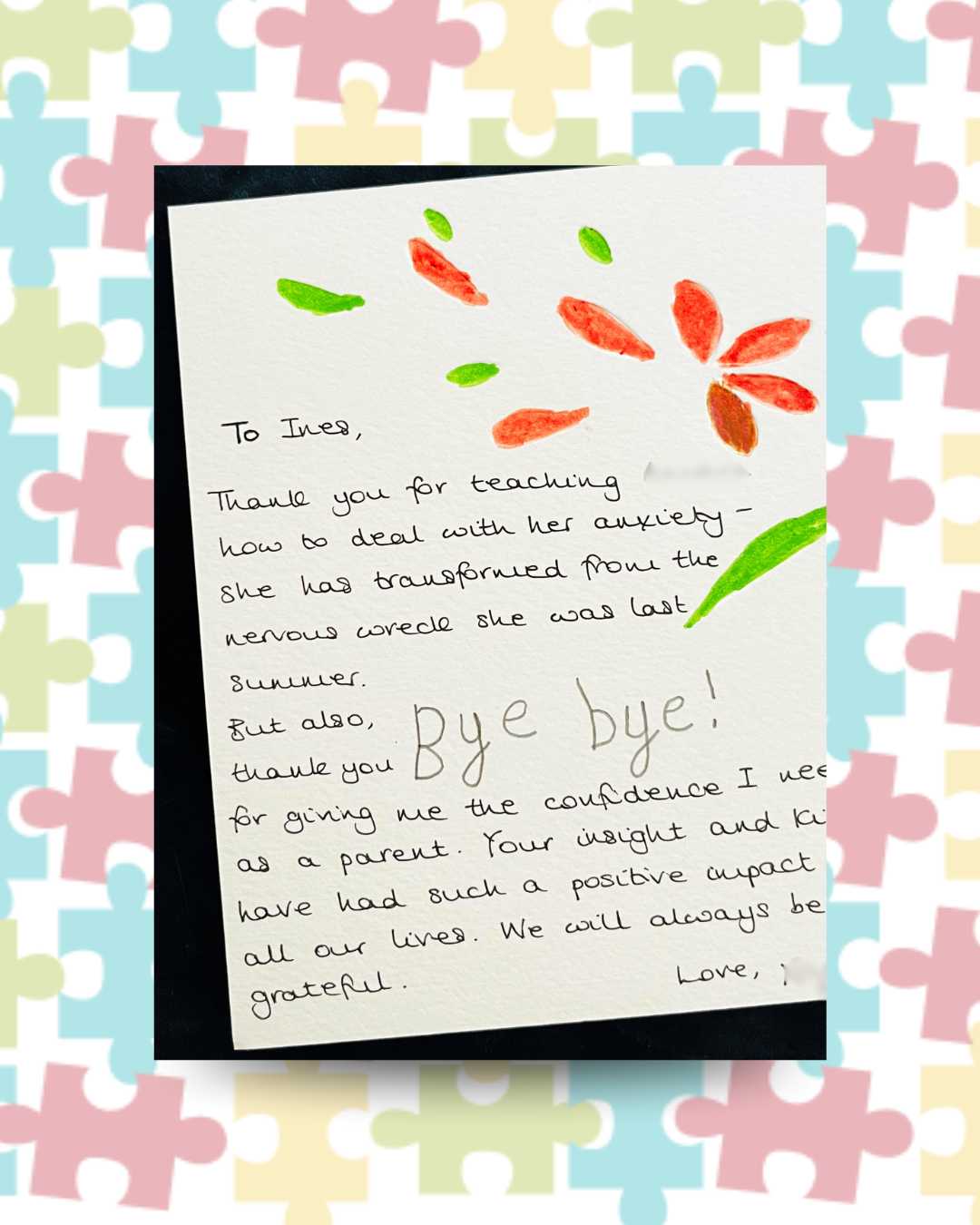
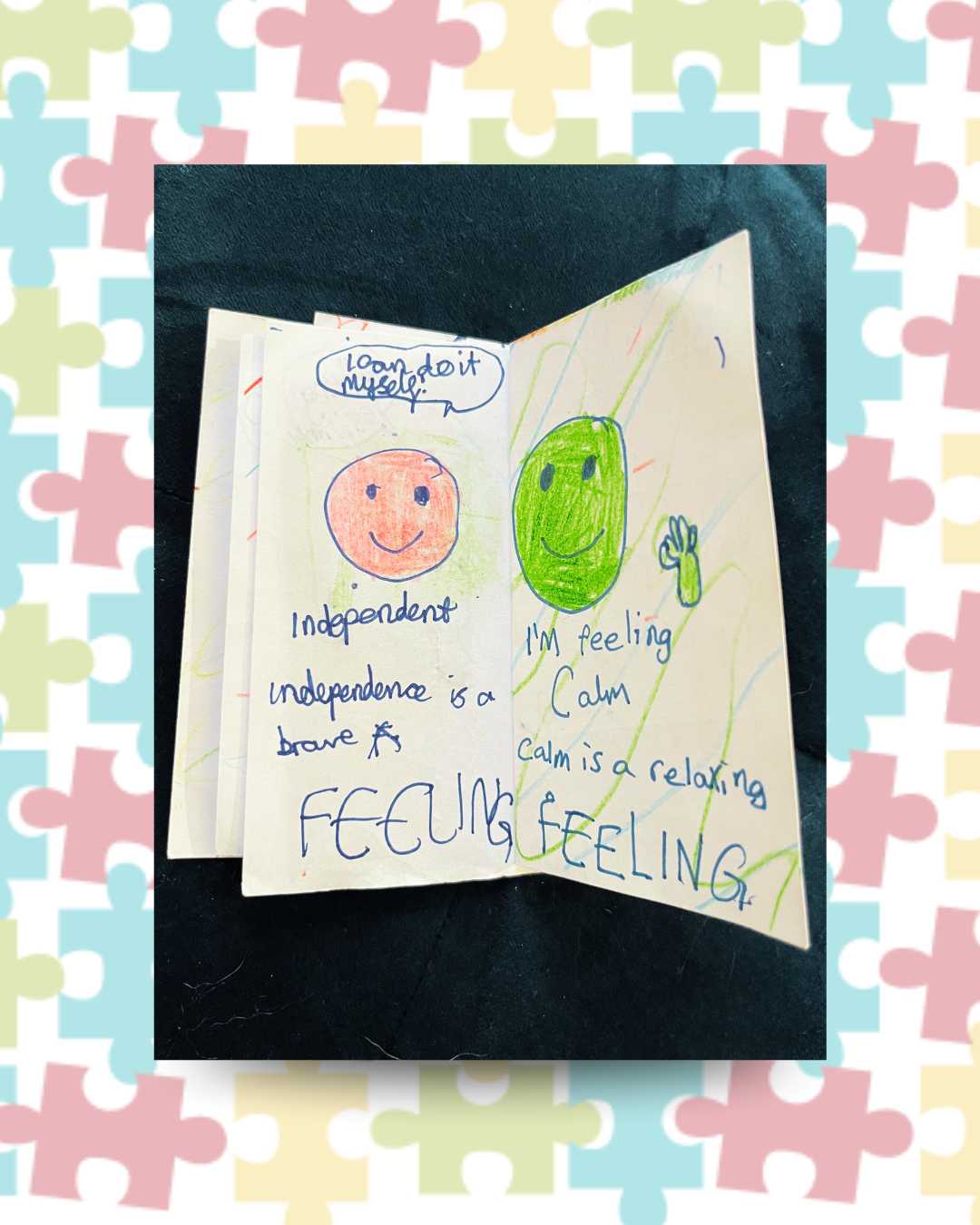
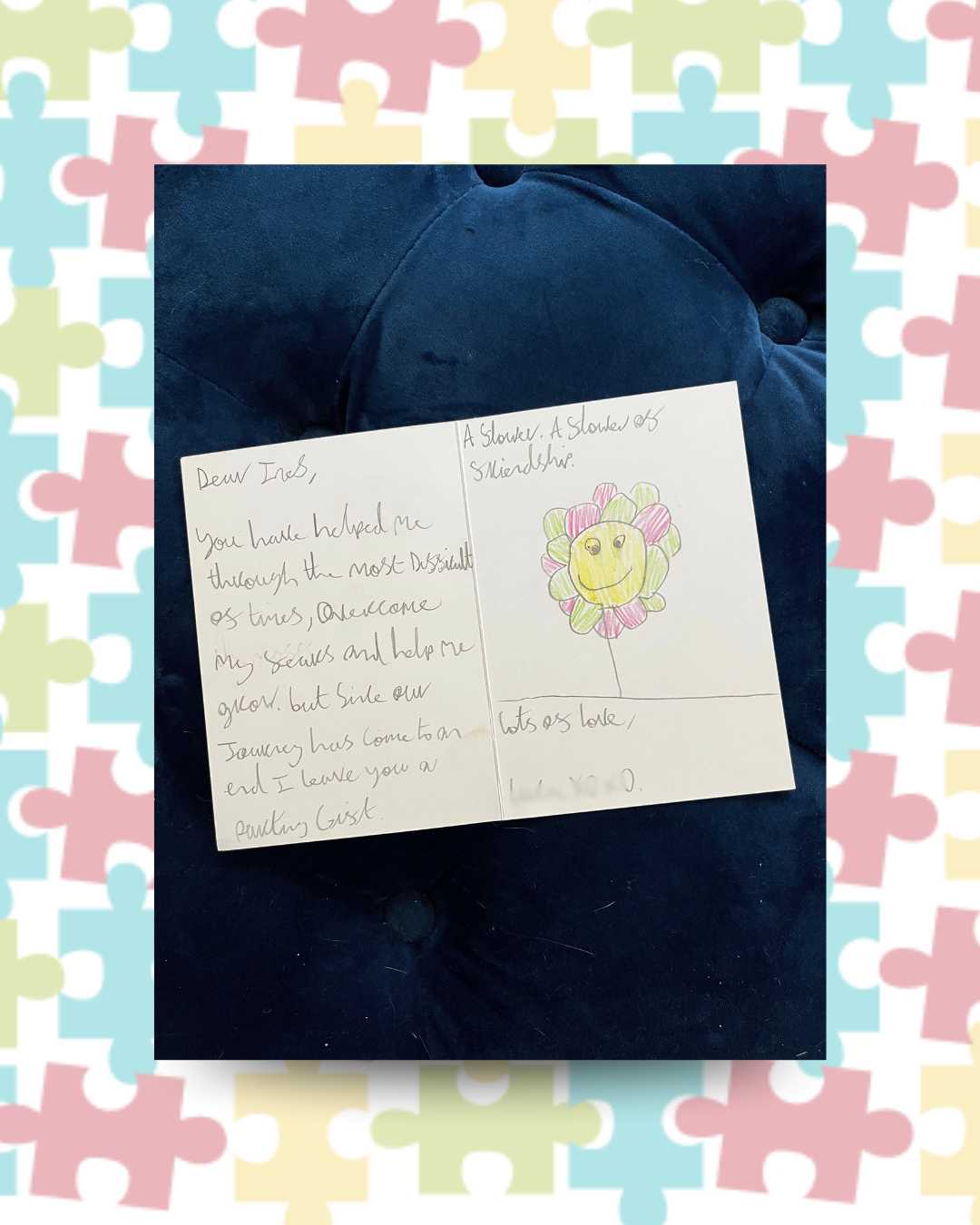
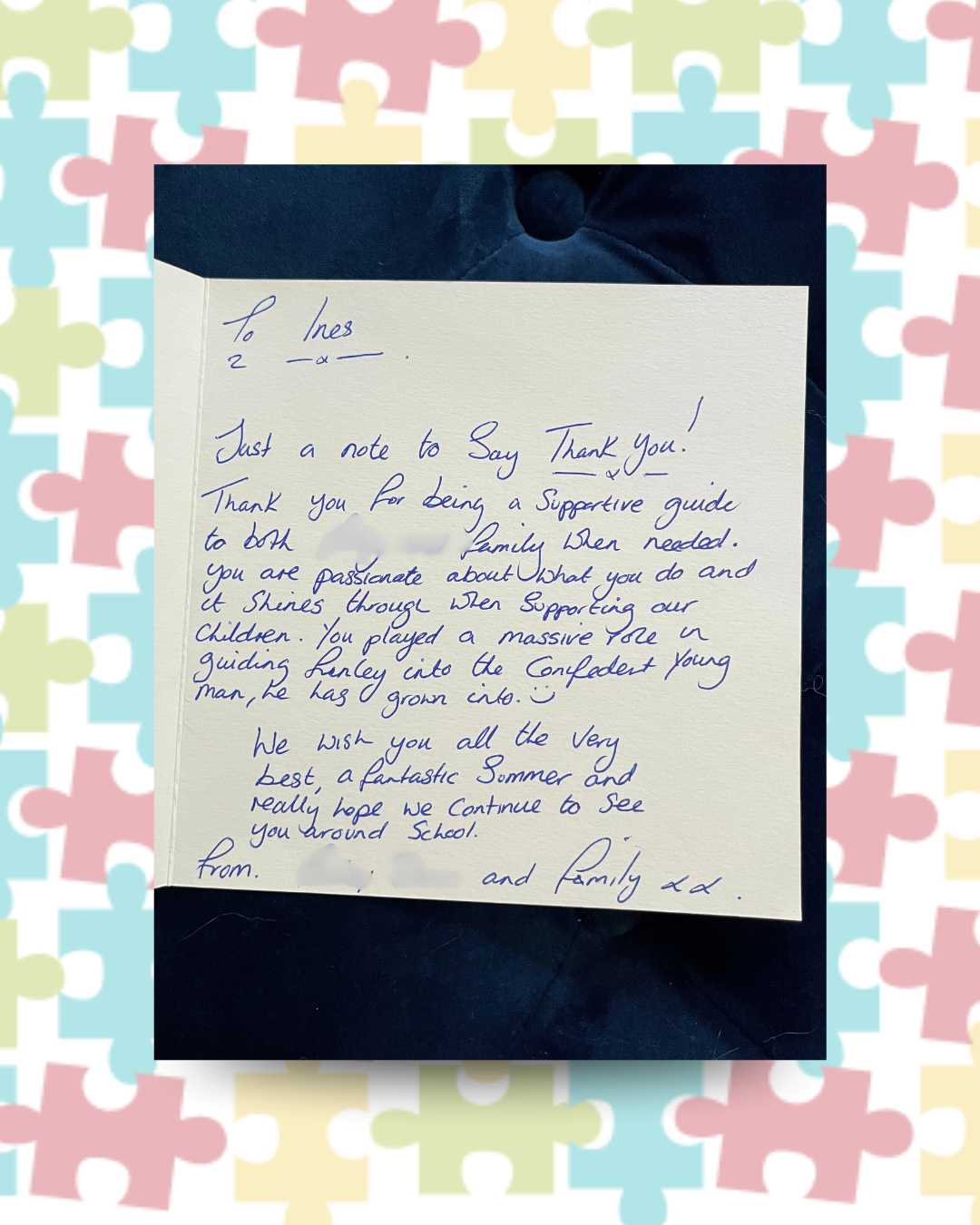
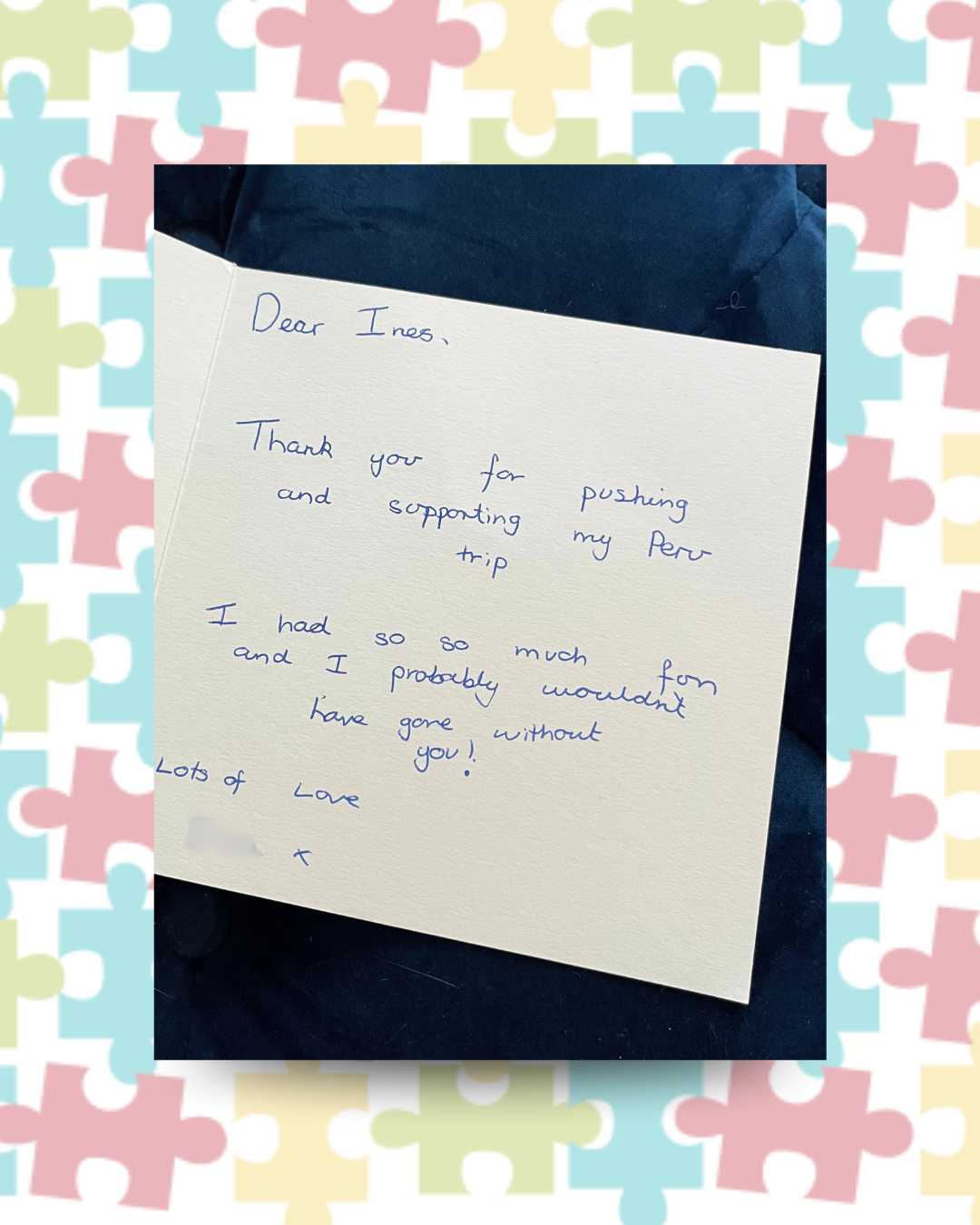
Our lovely feedbacks

From the kids and from the families, this warms the heart

Learn
More

Child Therapy – One-to-one support using emotion coaching
Parent Support – Learn emotion coaching strategies for home
School Training – Evidence-based training for your team
Free Resources – Download our Emotion Coaching Pocket Guide

Learn More

Child Therapy – One-to-one support using emotion coaching

Parent Support – Learn emotion coaching strategies for home

School Training – Evidence-based training for your team

Free Resources – Download our Emotion Coaching Pocket Guide

References:

Barnet Youth Offender Service (2004). Restorative approaches in schools: Impact on behaviour and peer relationships.

Nathanson, D. (2003). Shame and Pride: Affect, Sex, and the Birth of the Self. Norton.

Rachel, J. (1997). The Elements of Moral Philosophy. McGraw-Hill.
The Feelings Teacher
Privacy Overview

This website uses cookies so that we can provide you with the best user experience possible. Cookie information is stored in your browser and performs functions such as recognising you when you return to our website and helping our team to understand which sections of the website you find most interesting and useful.