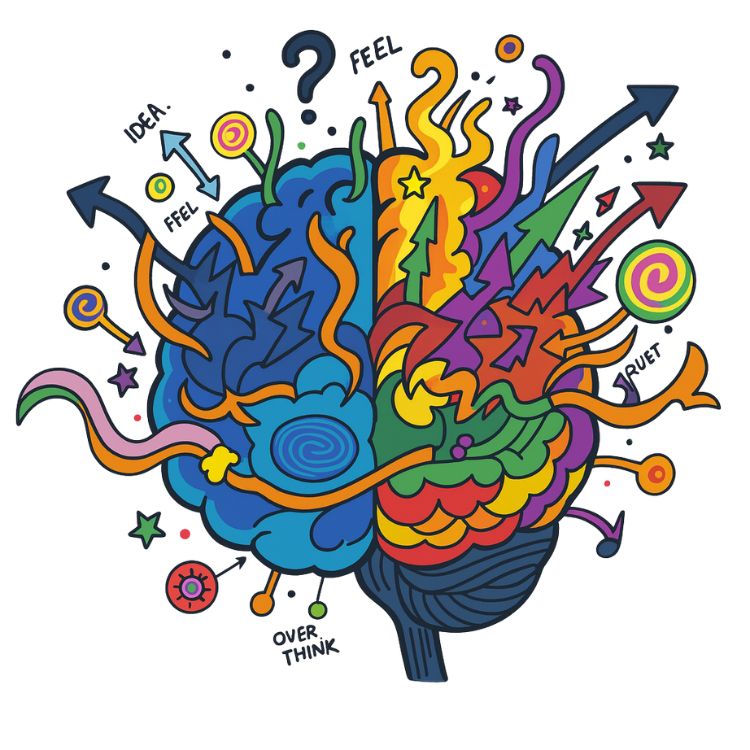
We don't see neurodiversity as something to fix. We see it as a different way of experiencing the world that deserves understanding and support.
Whether your child has autism, ADHD, sensory processing differences, or simply learns and feels differently, we adapt our approach to how their brain works. Real support isn't one-size-fits-all—it's tailored to the child in front of us.
Diagnosis not required. If your child needs support, we're here.
A Personal Understanding
In 2015, at 41, I was diagnosed with ADHD and General Anxiety Disorder. It wasn't a surprise—it was recognition.
For years, working with children who struggled to focus, regulate, or "fit in," I'd seen a reflection of myself. My diagnosis gave me the framework to understand what I'd been doing intuitively: adapting my approach to meet each child's unique way of thinking and feeling.
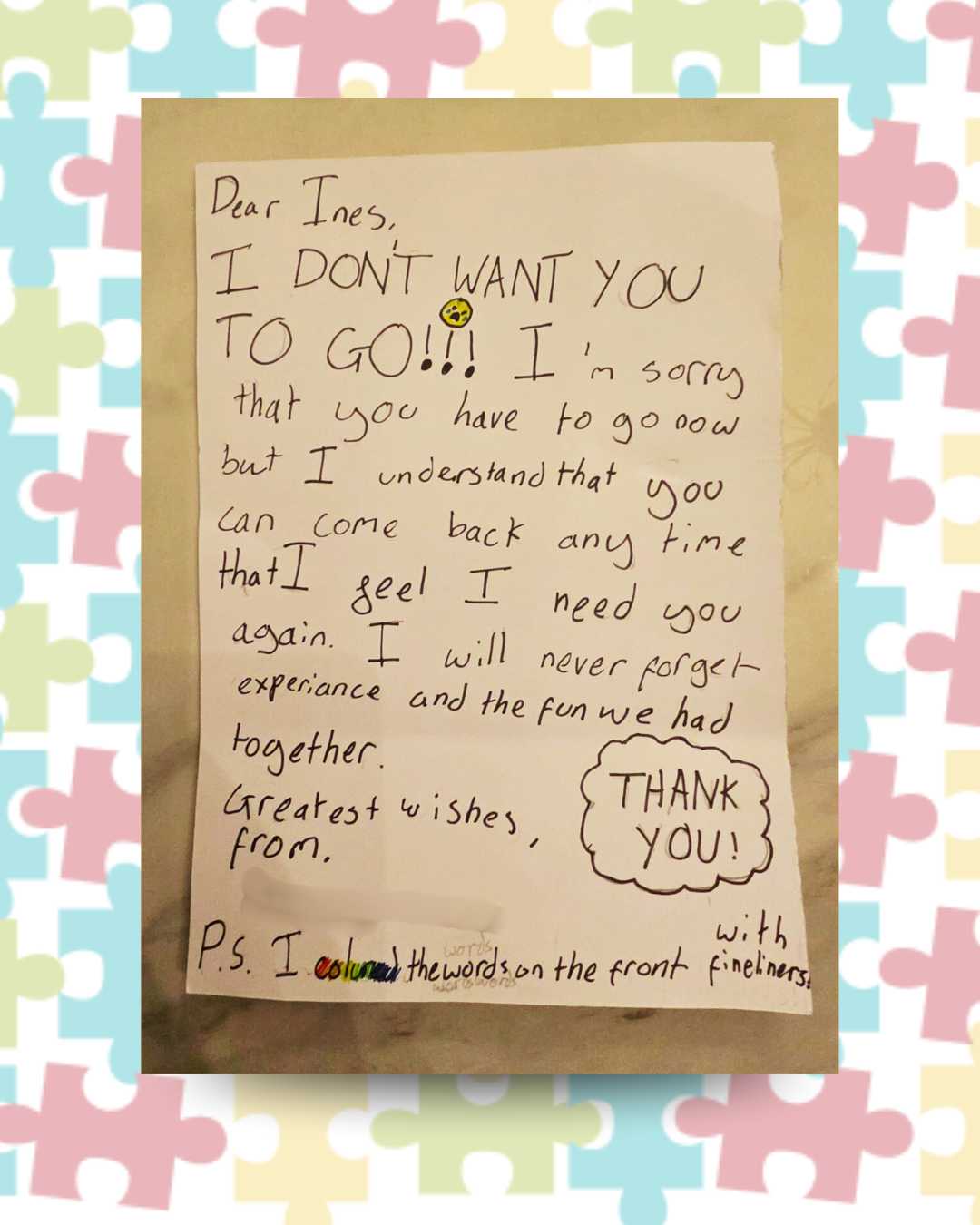
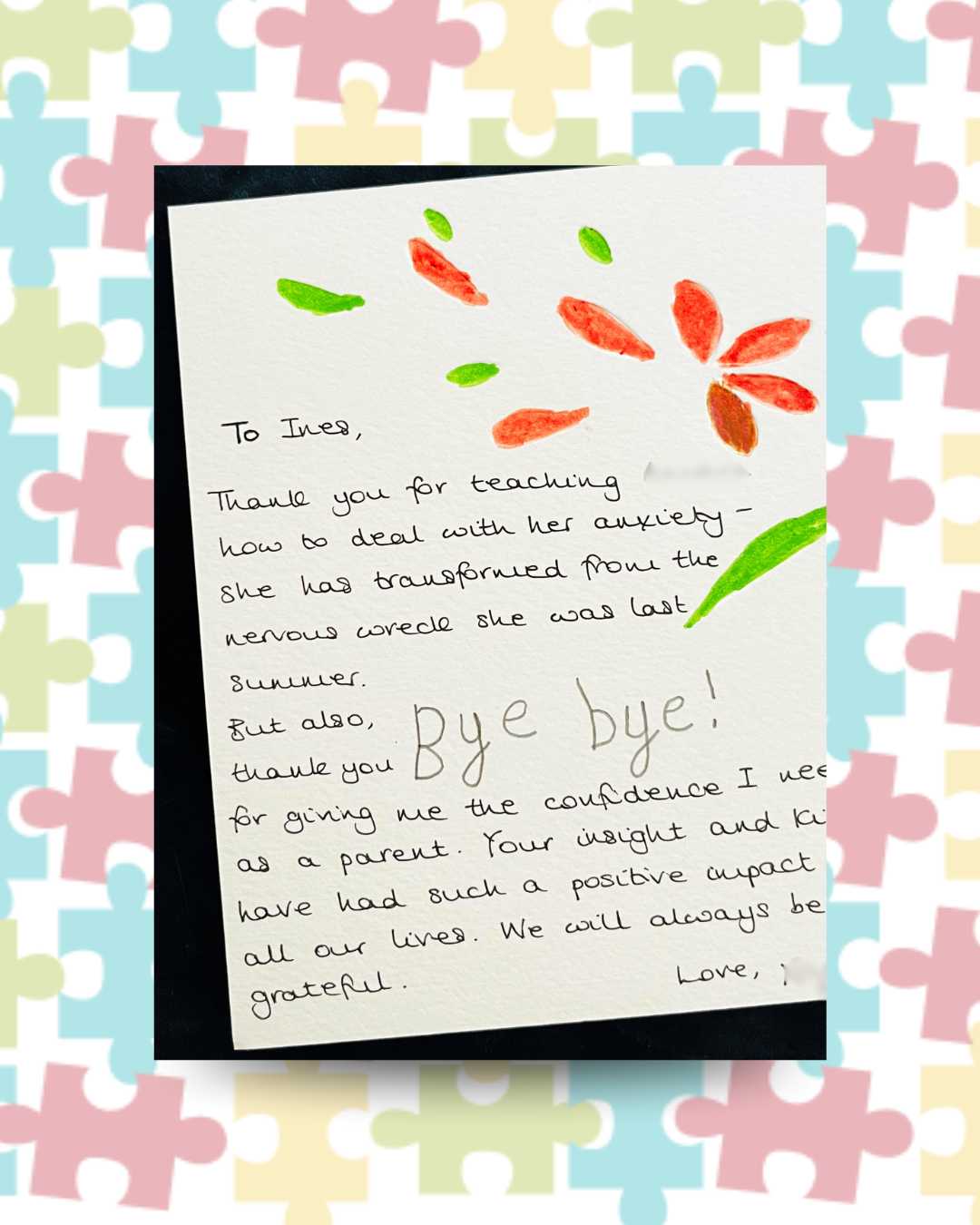
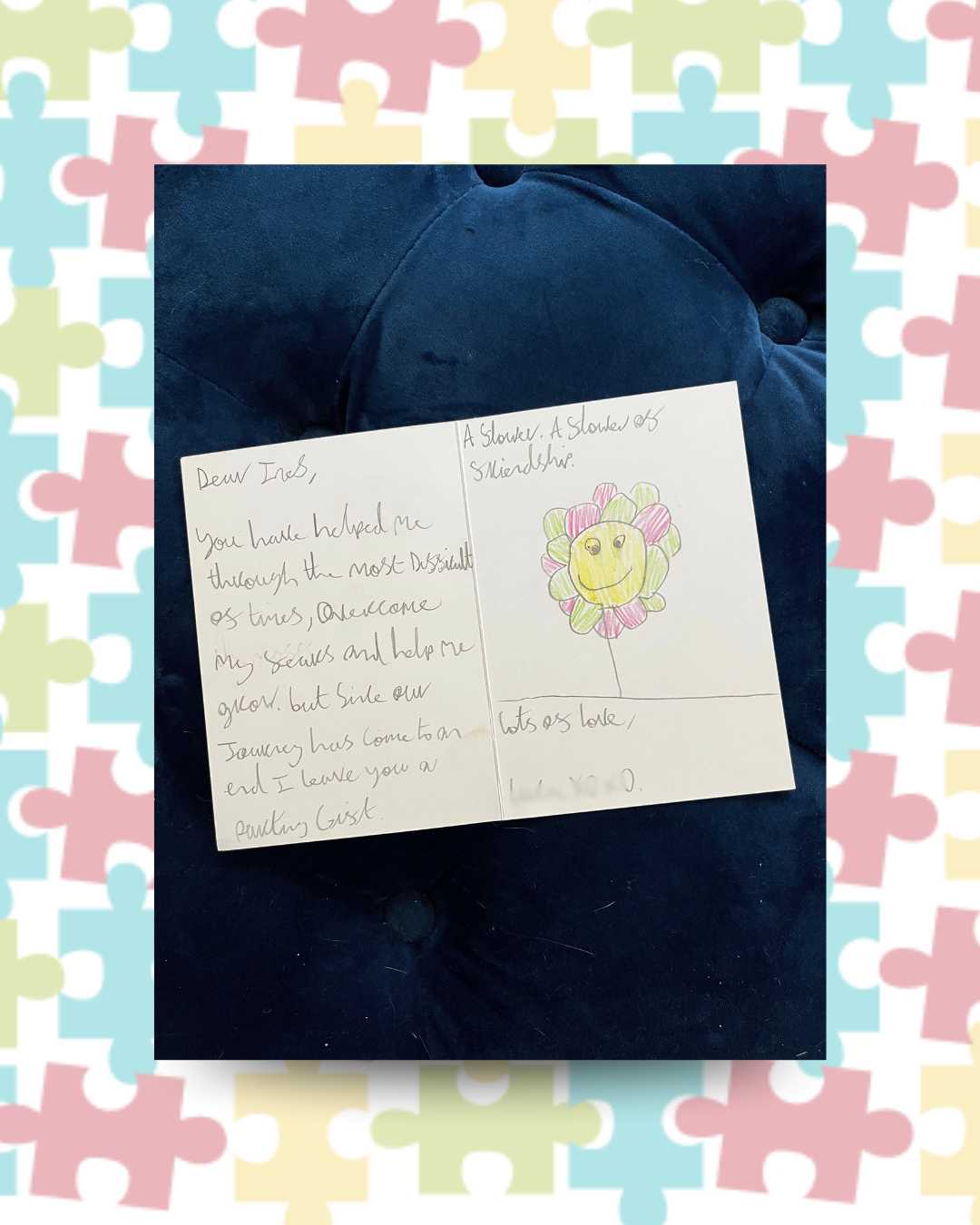
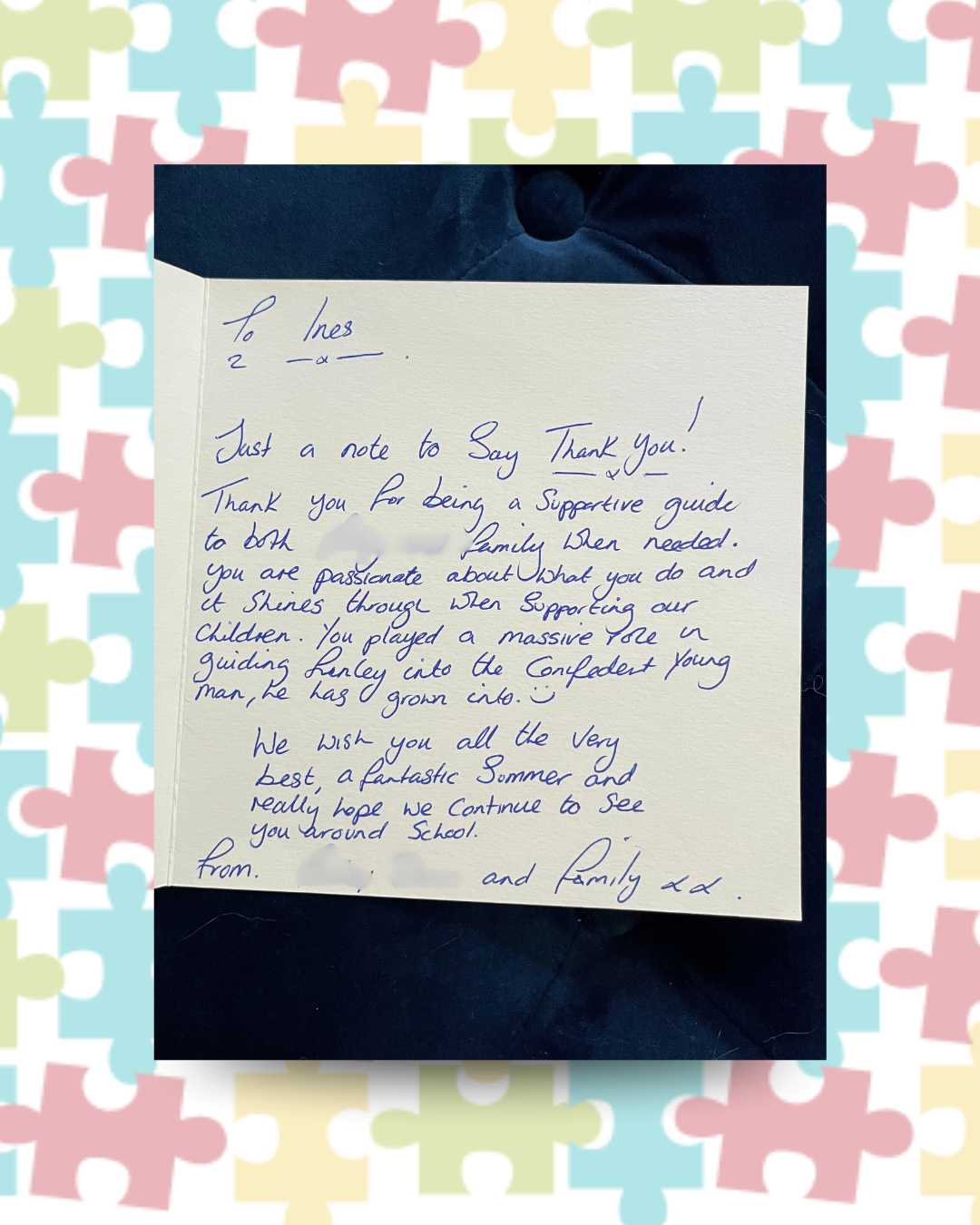
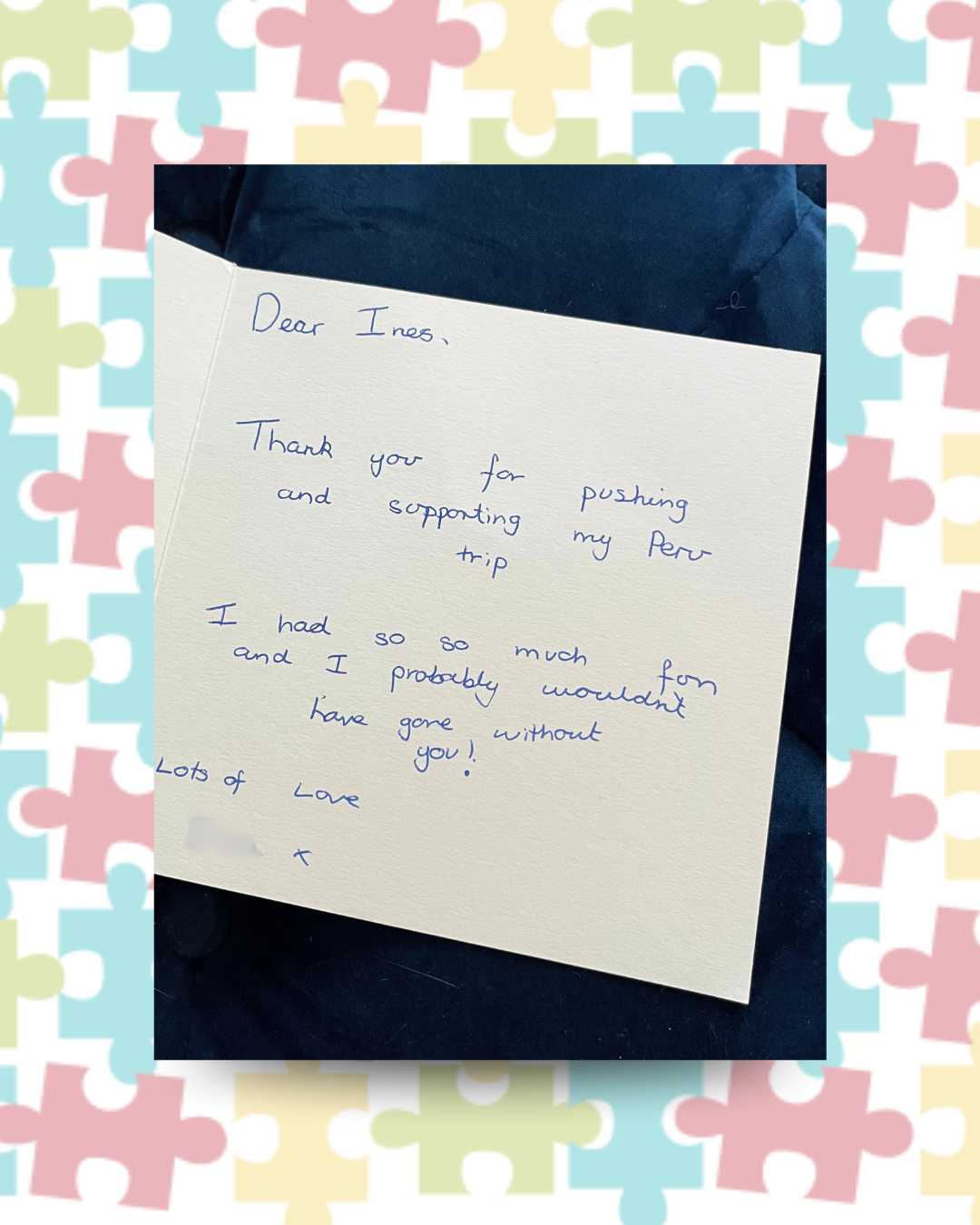
Therefore, being neurodivergent allows me to "speak their language." My clients often say, "Ines, you just get it"—because I do. Personally and professionally.
What we help with
Autism Spectrum
Social communication • Sensory sensitivities • Routine needs • Managing transitions • Masking and burnout.
Understanding Sensory Needs |
Identifying triggers and creating strategies that provide comfort rather than distress.
Building Emotional Regulation |
Teaching practical regulation techniques tailored to how their nervous system works.
Creating Predictability |
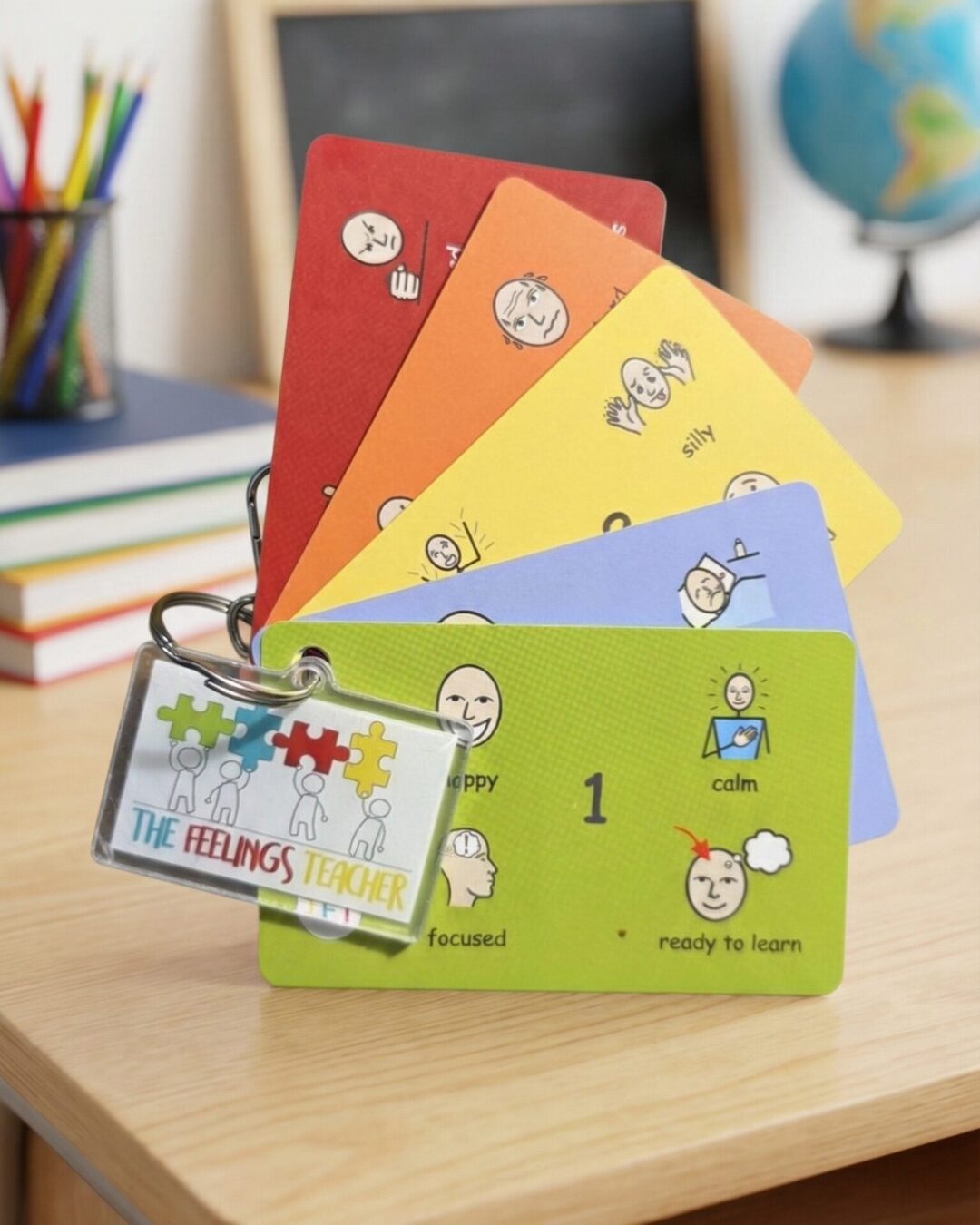
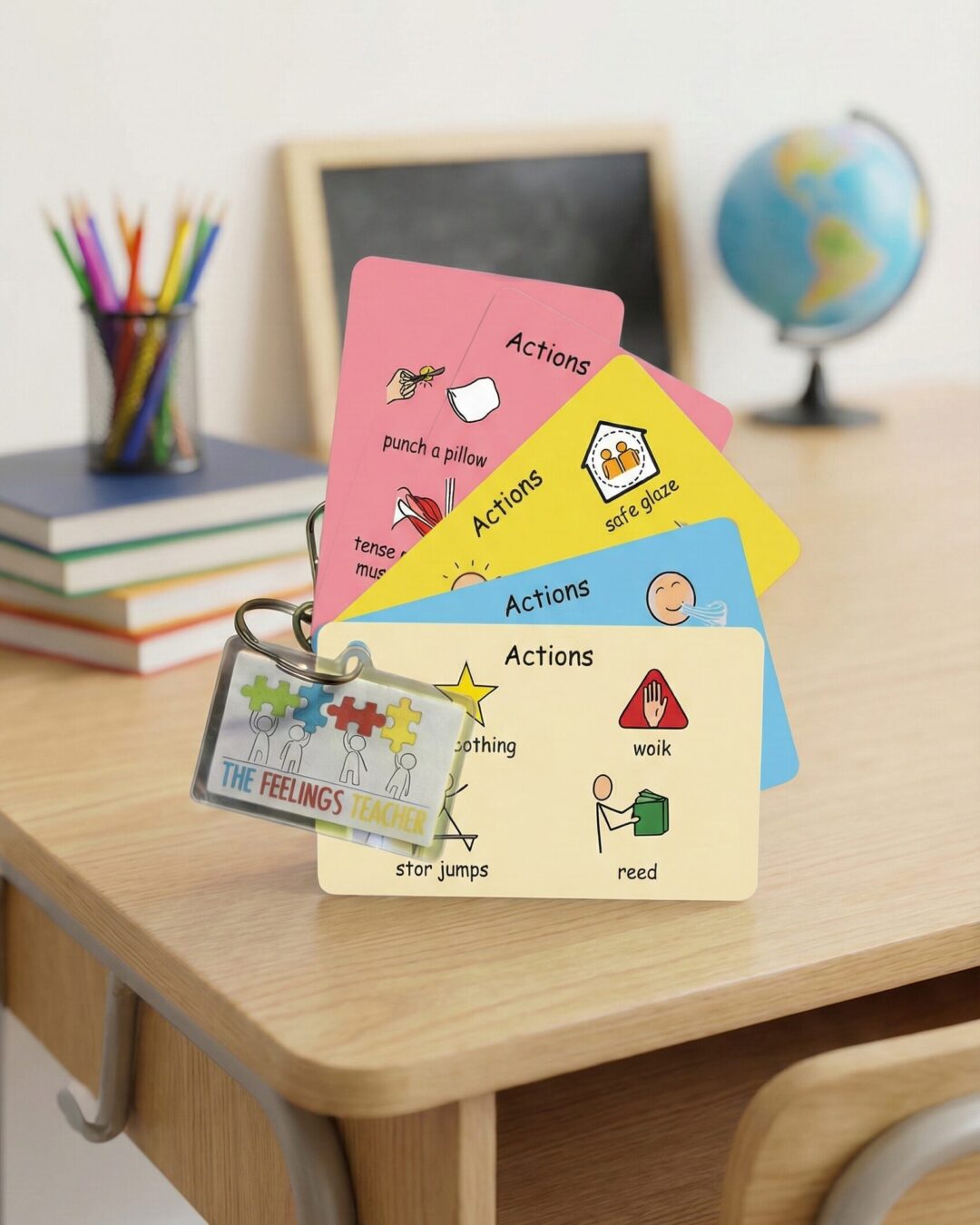
Using visual supports, routines, and clear expectations to reduce anxiety and build independence.
Developing Social Understanding |
Breaking down social situations into understandable parts, teaching skills without shame.
Supporting Executive Function |
Practical tools for planning, organisation, and task management that work with the child's brain, not against it.
Adapting in Practice
For routine struggles: Visual timetables showing what's coming next
For focus difficulties: Movement breaks, fidget tools, sensory supports
For overwhelm: Identifying triggers and co-regulation strategies
For social confusion: Clear explanations of unspoken social rules
For organisation: Checklists, timers, and structured support
Real Inclusion:
Beyond Labels
Real inclusion isn't about diagnosis—it's about access. Too often, support is tied to labels. A child must "fit the criteria" before help is provided. But what about children struggling just beneath that threshold?
Thus, our belief is simple: if a child needs a strategy, we provide it.
Visual aids, breathing techniques, sensory breaks, communication supports—whether a child has a diagnosis or not, they deserve tools that help them thrive.
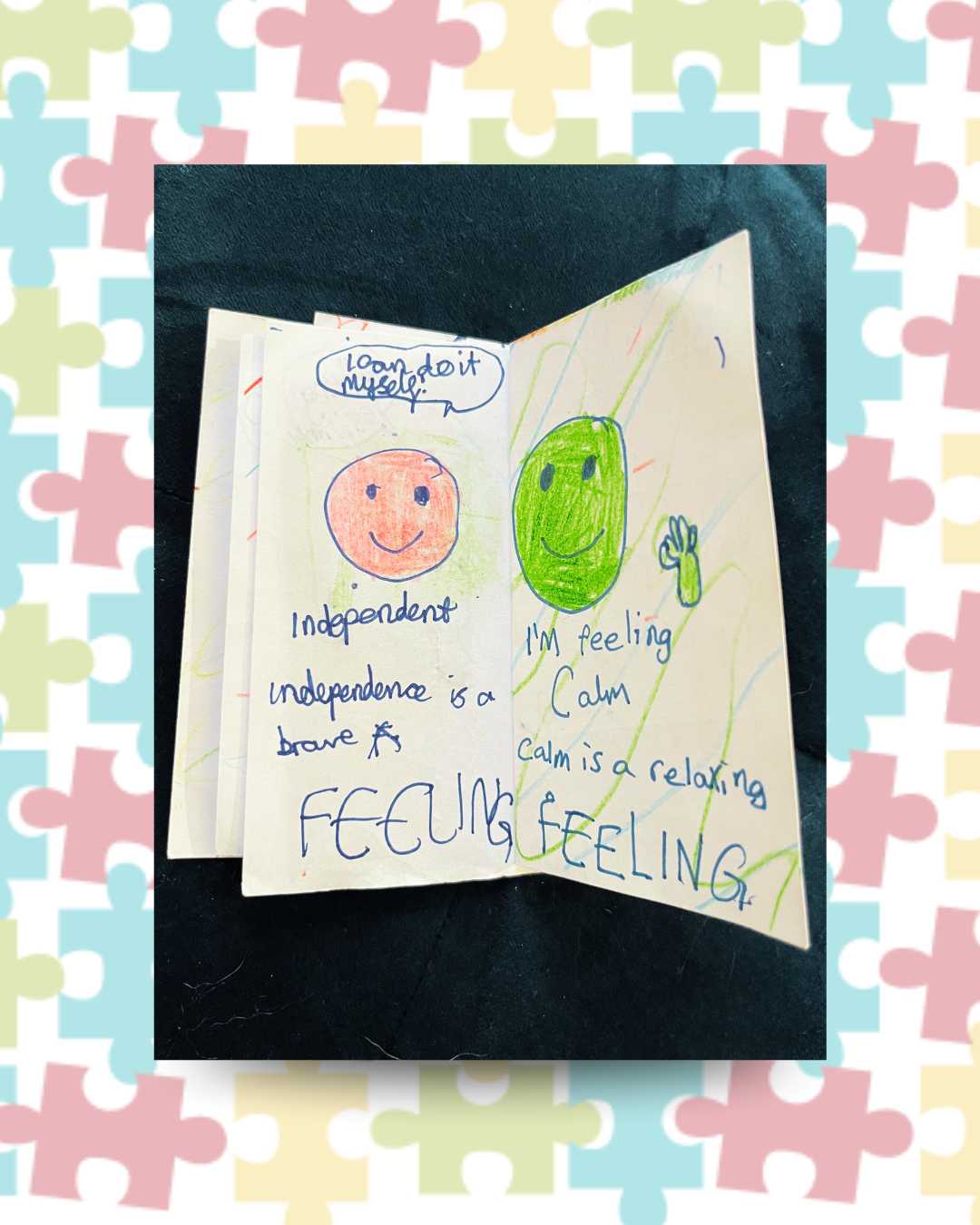
As one young client told me: "You tell me what I'm feeling, and then you tell me what to do with it."
The Feelings Teacher Triad
Our approach combines three evidence-based frameworks that, together, create a comprehensive support for every child.