

Restorative Approach repairs harm and rebuilds relationships through understanding, accountability, and collaborative problem-solving.
Rather than asking "Who broke the rule and what punishment do they deserve?", restorative approaches ask: "Who was harmed? What do they need? And how can we make things right?"
This shift transforms conflict from something that divides us into an opportunity for growth, connection, and lasting change.

Relationships Are Central | Acknowledges that relationships are central to building community and addresses harm in ways that strengthen them.
Focus on Harm, Not Just Rules | Focuses on the harm done rather than only on rule-breaking.
Give Voice to Those Harmed | The person who experienced harm gets to express how it affected them.
Collaborative Problem-Solving | Engages in collaborative solutions that repair harm and prevent future incidents.
Empowerment and Responsibility | Enhances responsibility and empowers change and growth.

"So often when we think about education and the education process we take the position that education is about the way a child receives information and processes it. That's entirely cognitive. But it turns out that to the surprise of most people, education is also about emotion." — Dr Donald Nathanson, September 2003
Shame isn't just a negative emotion—it's the interruption of all positive effects. It's a painful social emotion that causes reactions like giggling, classroom distractions, or answering back.
Restorative Approach provides a safe space to express shame, reducing its intensity and power.
Early intervention is vital. When whole school staff become restorative practitioners, they can recognise these expressions of shame and respond constructively. It's imperative to separate the 'Self' from the 'Behaviour' in Restorative Practice.

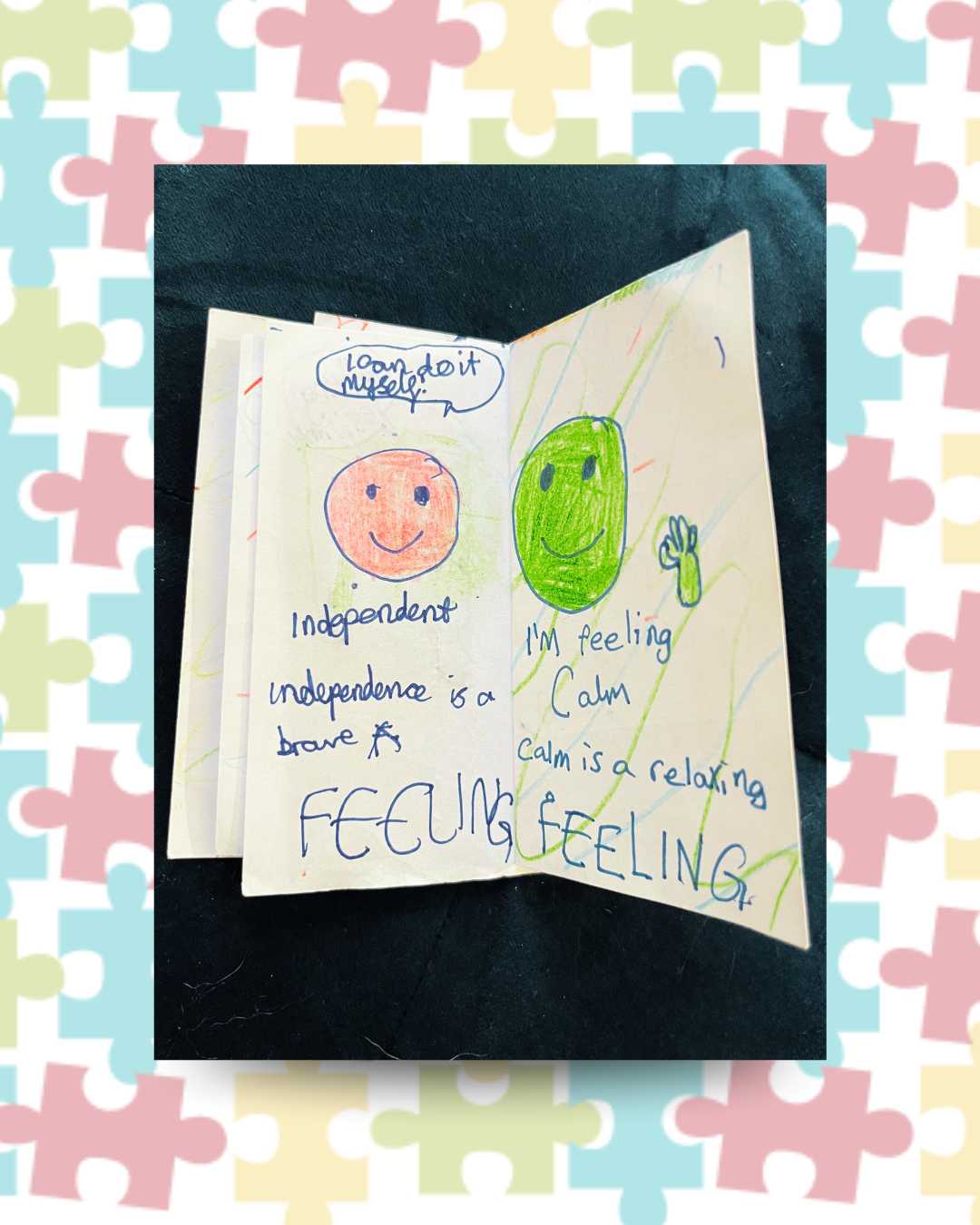
Acknowledge the child's feelings. "I can see you're really upset right now."

Name the emotion without judgment. "It sounds like you were feeling frustrated."

Make boundaries clear. "I understand you were angry, but hitting isn't okay."

Use the five restorative questions to explore harm, accountability, and repair.
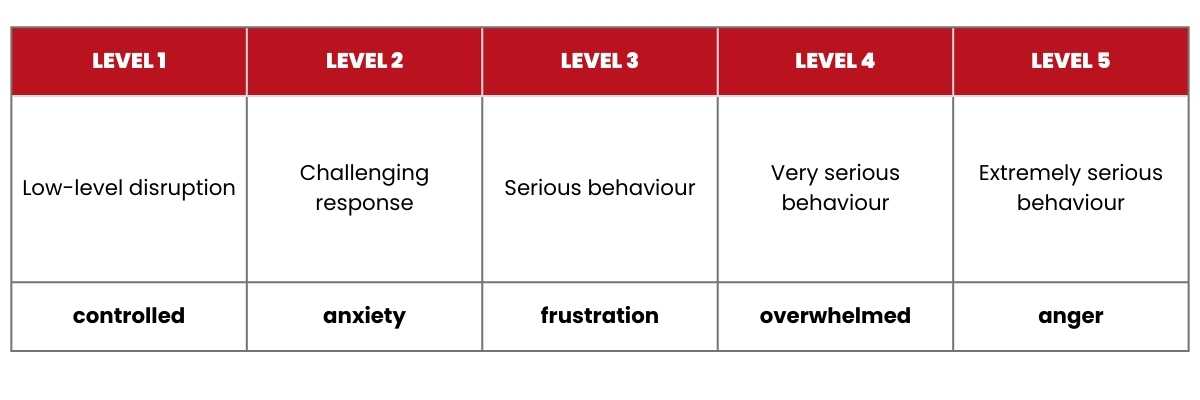
"There are no wrong feelings. How we react to the feeling may or may not be wrong."
Inês Gomes


References:
Barnet Youth Offender Service (2004). Restorative approaches in schools: Impact on behaviour and peer relationships.
Nathanson, D. (2003). Shame and Pride: Affect, Sex, and the Birth of the Self. Norton.
Rachel, J. (1997). The Elements of Moral Philosophy. McGraw-Hill.