

At its core, Emotion Coaching is a research-based approach that prioritises empathy and connection over punishment or dismissal. Developed from the work of John Gottman, it is based on the principle that children need empathy and "co-regulation" (help managing their feelings) before they can access logic or learn from a situation.
Instead of focusing solely on stopping a behaviour ("Stop crying!"), Emotion Coaching focuses on the feelings driving that behaviour. It views moments of high emotion not as problems to be fixed, but as opportunities for teaching and connection.
Why Emotion Coaching works
Research consistently shows that children who receive emotion coaching have better mental health, stronger relationships, and higher academic achievement.
The problem with dismissing emotions
When adults ignore, criticise, or punish children's emotions, children learn that their feelings are wrong or shameful. This doesn't stop the emotions; it just teaches children to suppress them, leading to:
When adults respond with empathy and understanding, children:
🧩 Are more resilient
🧩 Improve their emotional literacy
🧩 Have fewer behavioural problems
🧩 Achieve more academically in school
🧩 Can self-regulate
The 4 steps of Emotion Coaching
Be aware of your Child's Emotions
Notice when your child is experiencing feelings—even before behaviour escalates.

Label and validate
Sometimes your child can't tell or identify what they are feeling. You can help them!

Set expectations
Setting expectations can be an opportunity to remind the child about acceptable behaviour.

Problem solve
Use a restorative approach to turn mistakes into learning moments. Guide the child to reflect on their behaviour, understand its impact, and agree on a strategy to repair the situation and move forward positively.
Emotion Coaching builds the architecture of children's brains.
During early childhood, children develop "Internal Working Models"—patterns of thinking and responding learned through relationships with caregivers. When adults respond to emotions with empathy and guidance, children's brains develop stronger pathways for:
🧩 Staff felt more confident approaching difficult behaviour
🧩 Children became better at identifying when they were about to "flip"
🧩 Exclusions dropped significantly
🧩 Pupils could articulate how they were feeling and why
Real results - Case Study
Background: 10 pupils (Year 8-9) at risk of permanent exclusion
Intervention: Staff and pupils trained in Emotion Coaching; parent information sessions provided
Outcome: All but two children no longer at risk of exclusion
Notable Changes:
🧩 Pupils able to identify and name their feelings
🧩 Frequency of classroom removal dropped dramatically
🧩 One pupil's fixed-term exclusions went from 7 to 0 in one term
This is the power of understanding emotions before addressing behaviour.
The Feelings Teacher provides Emotion Coaching training and support for families, schools, and professionals across South East London and online. Inês Gomes is a certified Emotion Coaching Trainer through Emotion Coaching UK.
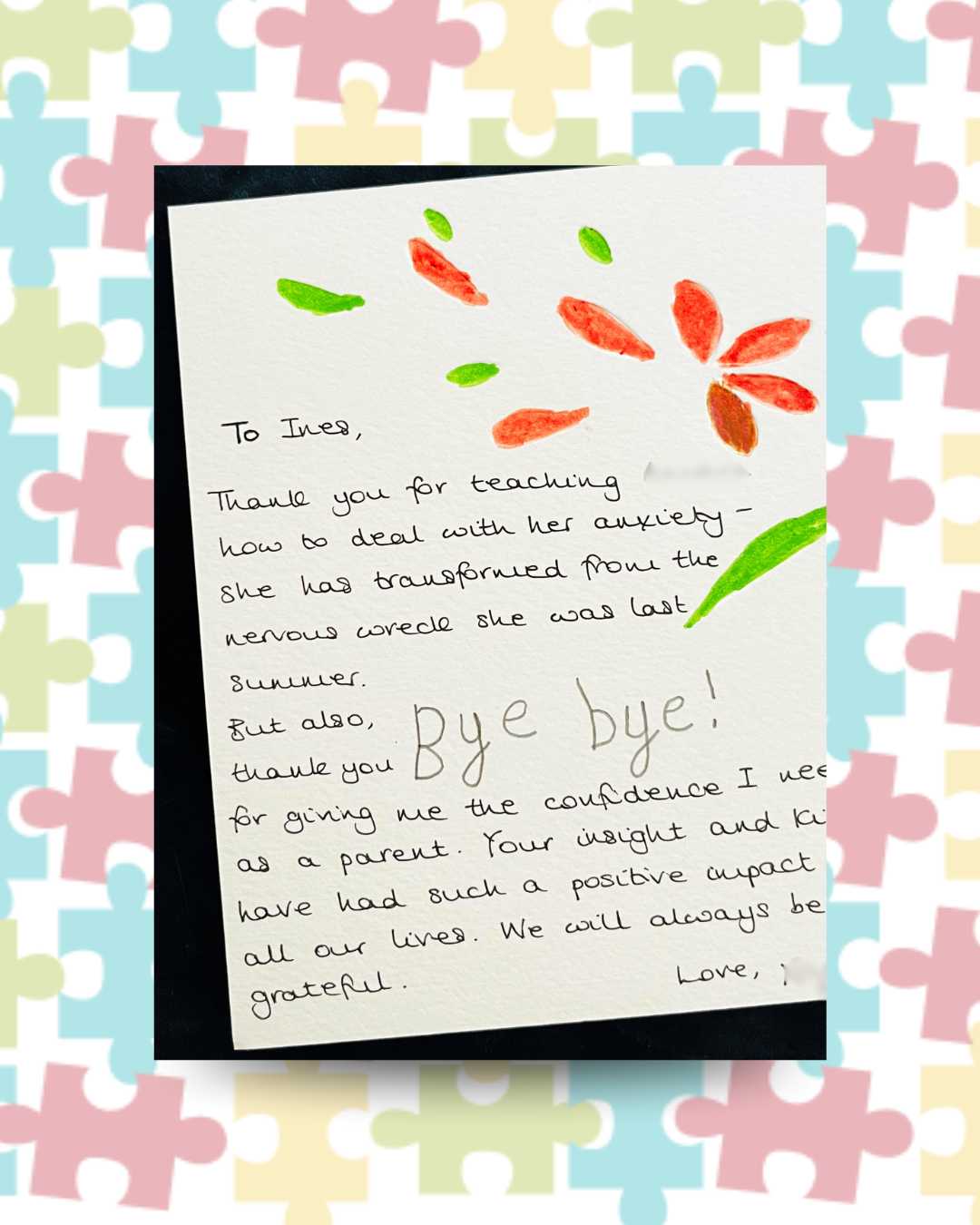
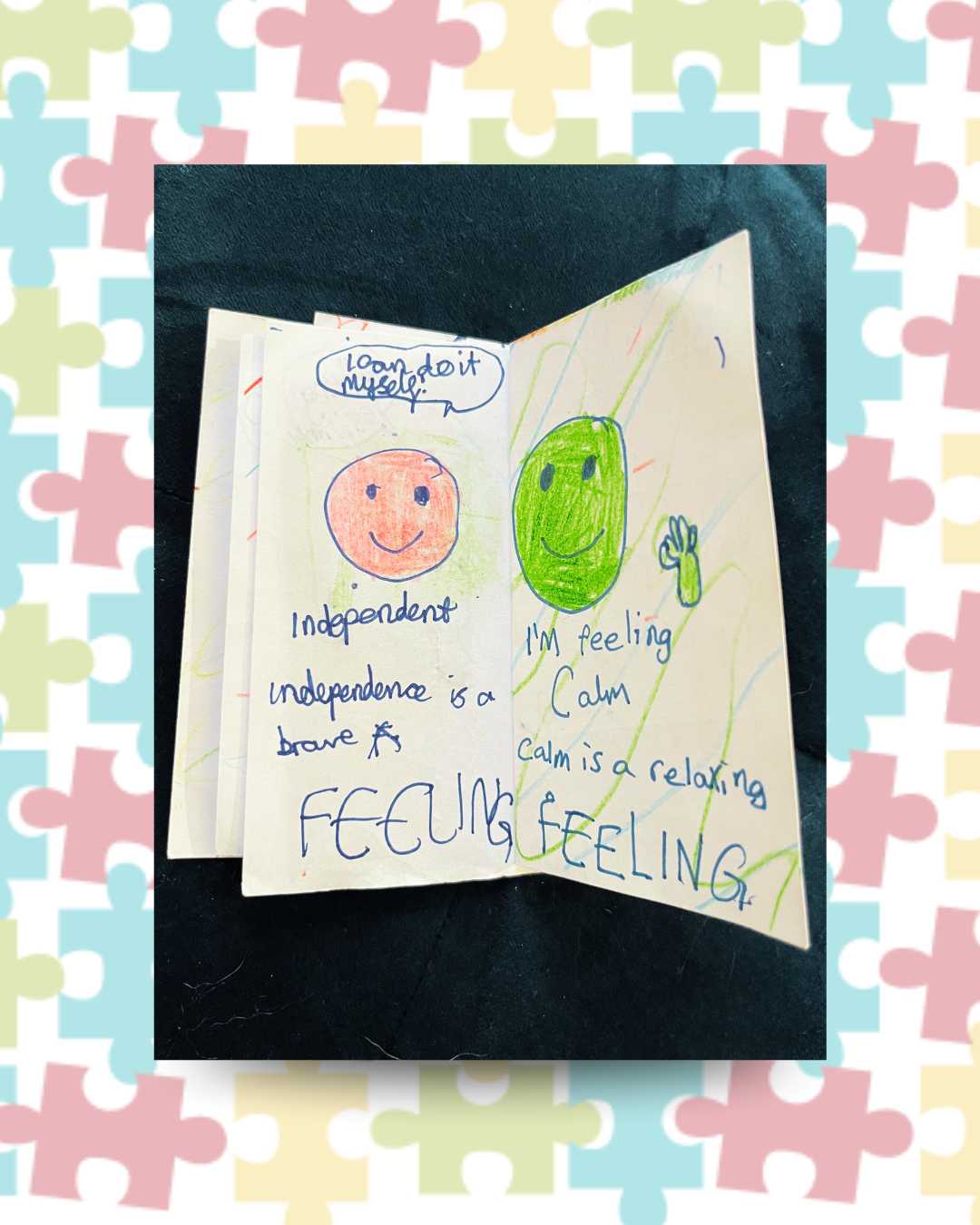
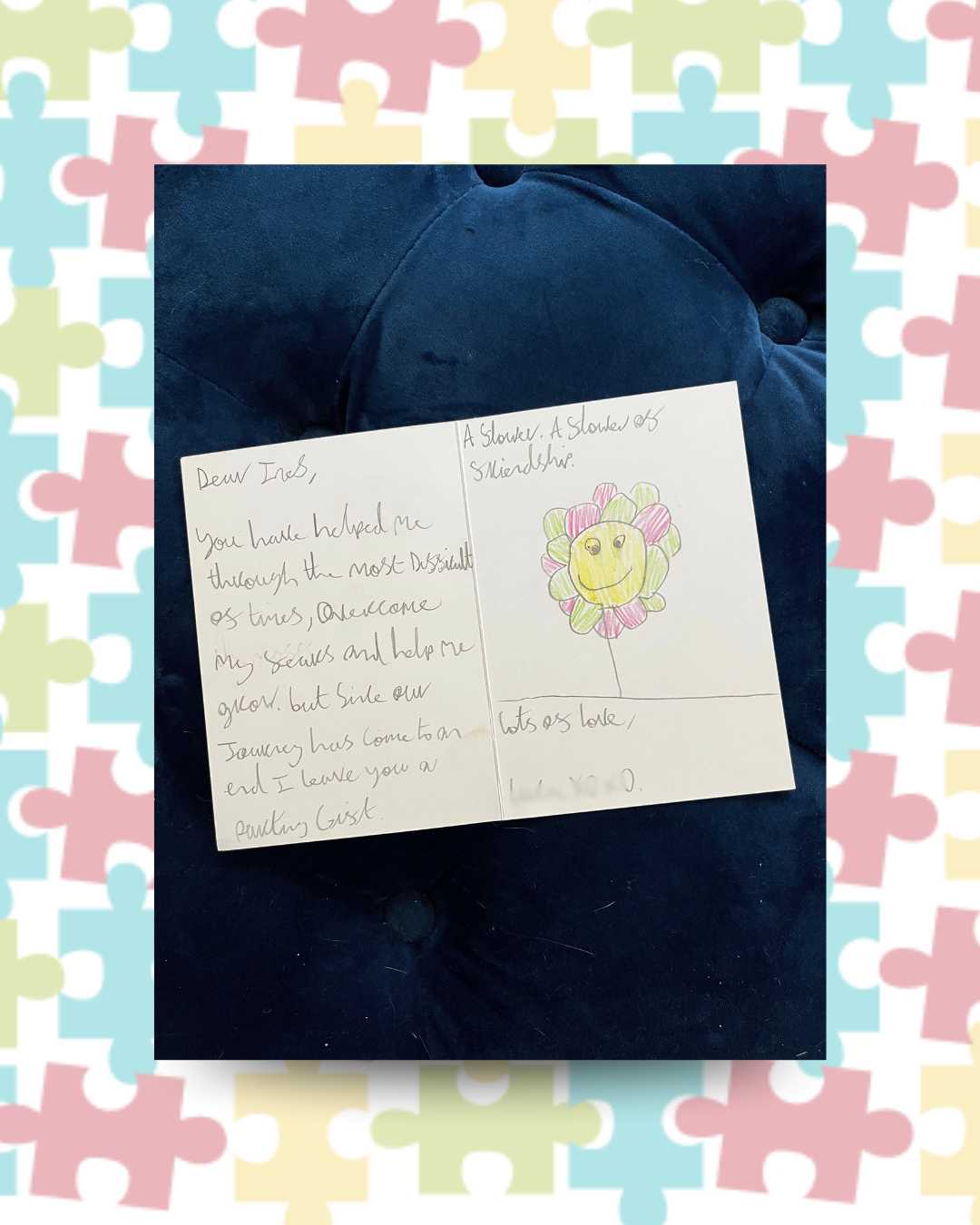
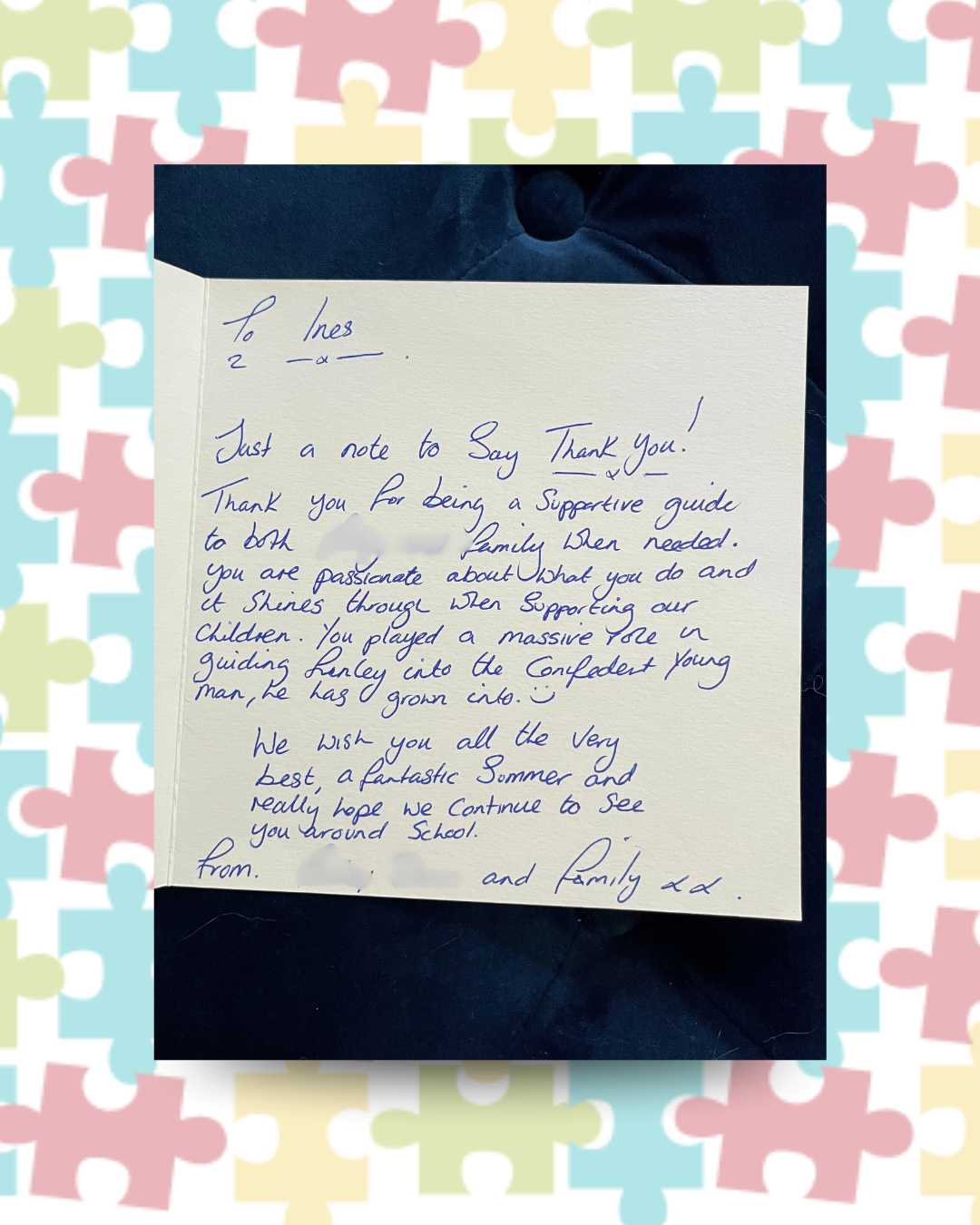
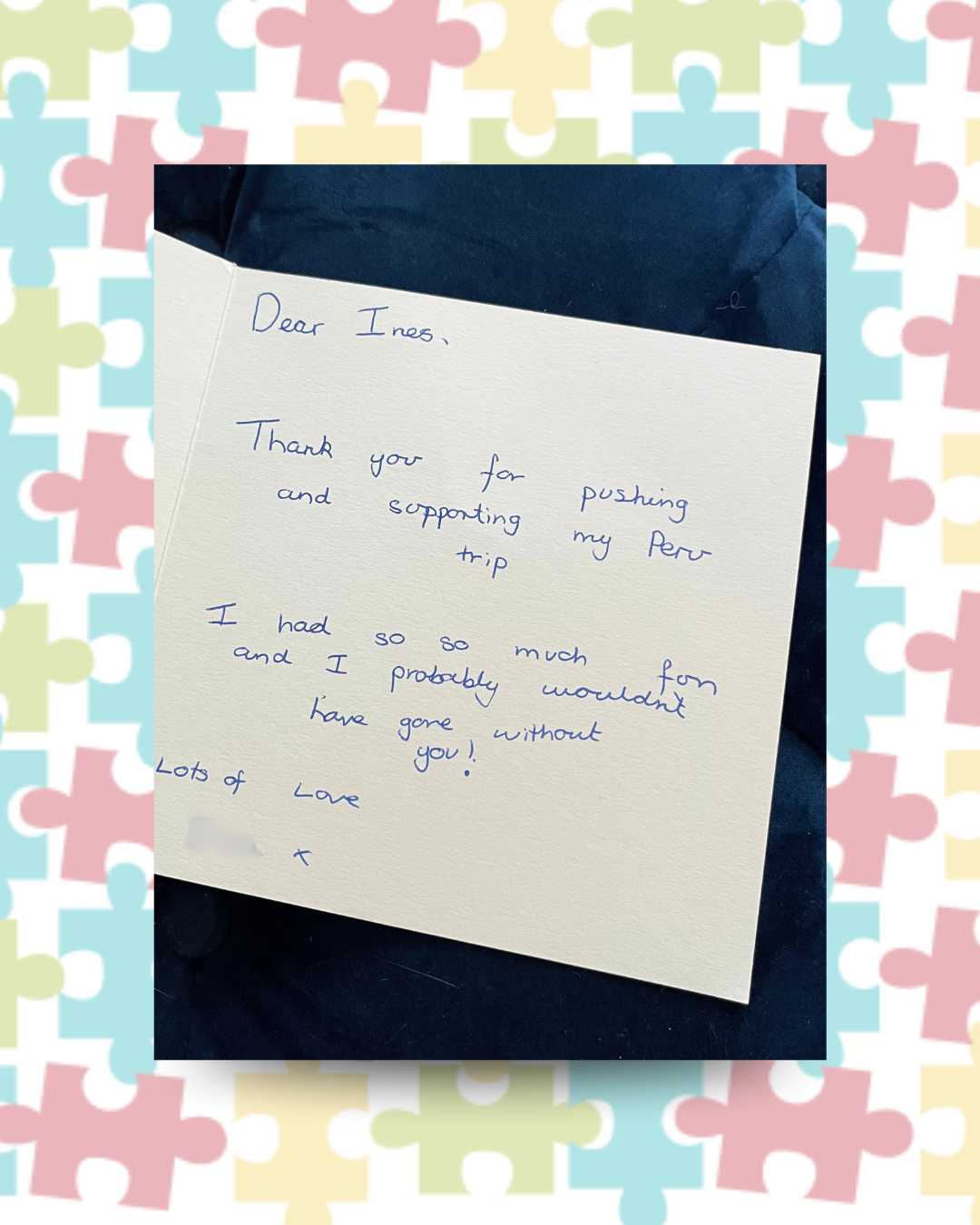
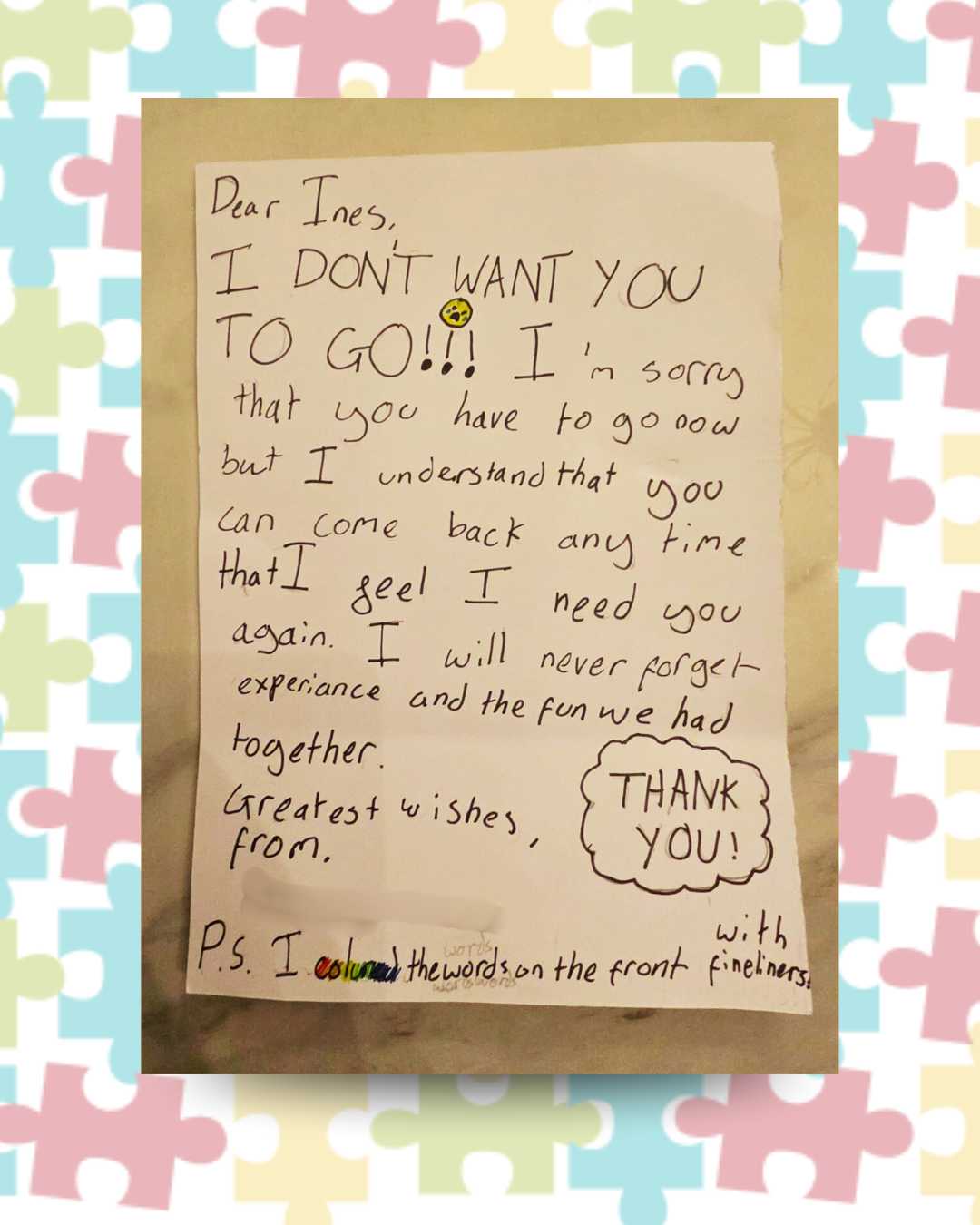
Our lovely feedbacks
From the kids and from the families, this warms the heart
Gottman, J., Katz, L. F., & Hooven, C. (1996). Parental meta-emotion philosophy and the emotional life of families: Theoretical models and preliminary data. Journal of Family Psychology, 10(3), 243-268.
Rose, J., Temple, S., McGuire-Snieckus, R., Wood, F., & Vatmanides, O. (2016). The Somerset Emotion Coaching Project Research Report. Bath Spa University & Somerset Council.
Havighurst, S. S., Wilson, K. R., Harley, A. E., & Prior, M. R. (2009). Tuning in to Kids: An emotion-focused parenting program. Clinical Child Psychology and Psychiatry, 14(4), 427-445.